Billy wallson
Senior DirectorA quick look at three NFL games where the market's number doesn't match what the tape shows.
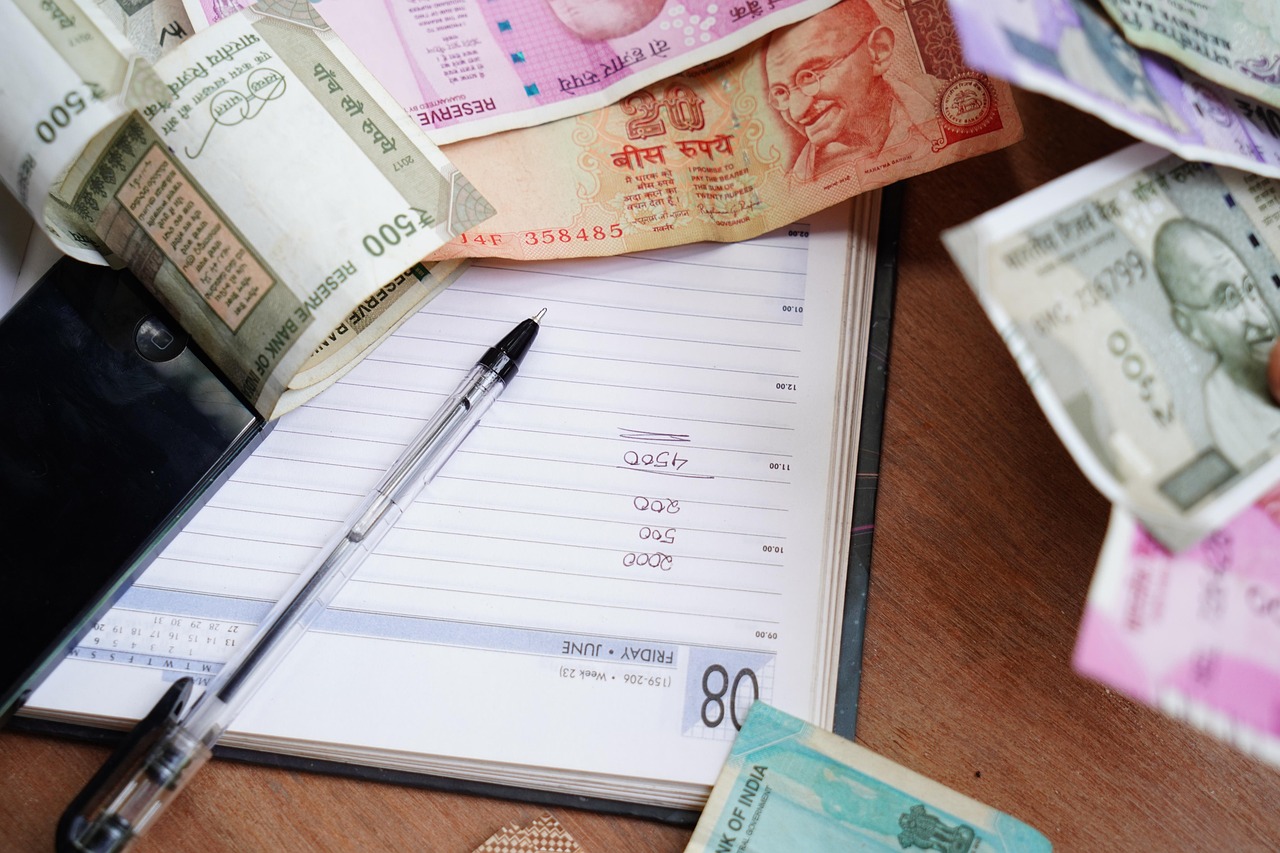
Ask ten bettors what separates winners from losers and most will say "picking winners." That's only half true. Plenty of sharp handicappers have blown up their accounts, and plenty of mediocre pickers have stayed profitable for years. The difference almost always comes down to bankroll management — the unglamorous discipline of deciding how much to risk before you ever look at a line.
It's not exciting. Nobody posts their unit size on social media. But it's the single biggest factor in whether you're still betting next season or watching from the sidelines with an empty account.
A unit is simply a fixed percentage of your total bankroll — usually 1% to 3%. If your bankroll is $1,000 and your unit is 2%, every standard bet is $20. That's it. The point isn't the exact number; it's that the size stays consistent regardless of how confident you feel.
Confidence is a terrible predictor of outcomes. The bets you're most sure about lose all the time, and the ones you almost skipped sometimes cash. If you let emotion set your stake, you'll bet big on the games you feel best about and small on the ones you're unsure of — which is exactly backwards from how variance works. Fixed units flatten that out and keep one bad weekend from becoming a disaster.
Flat betting also makes your results readable. If every bet is the same size, your win rate translates directly into profit or loss. If your stakes swing wildly, you can't tell whether you're actually good or just got lucky on one oversized bet.
First, set a hard bankroll and never add to it mid-season. If you deposit more money every time you go on a cold streak, you're not managing a bankroll — you're funding a habit. Treat the initial amount as your working capital and let it ride or die on its own.
Second, cap your exposure per day or per slate. Even with flat units, five bets in one afternoon is a lot of variance. A daily cap forces you to pick your best spots instead of firing at everything that looks interesting.
Third, take breaks after big swings. A brutal weekend can push anyone into revenge betting, where the goal shifts from finding value to getting money back. That mindset is how accounts die. Step away, review your log, and come back when your head is clear.
Fourth, withdraw profits on a schedule. If you never take money off the table, your bankroll only exists in theory. Pulling out a portion of your winnings regularly turns a hobby into something real and keeps you honest about whether you're actually up.
None of this will make you a better handicapper. But it will keep you around long enough to find out if you are one — and in this game, survival is the first edge.

You can be a great handicapper and still go broke. Here's why bankroll discipline matters more than any single pick.

Moneylines, spreads, and totals explained in plain English so you can actually understand what you're betting on.
Player props are one of the softest markets in sports betting — if you know where to look.

In-play betting rewards patience and situational awareness more than hot takes, and here's how to approach it without chasing losses.

A quick look at three NFL games where the market's number doesn't match what the tape shows.

Player props are one of the softest markets in sports betting — if you know where to look.

Copyright © 2026 Pocket Pundit. All Rights Reserved.


Roseanne Williams
Sep 6, 2026 ReplyYou can be a great handicapper and still go broke. Here's why bankroll discipline matters more than any single pick.